ACADEMIC PROGRAMS
INTERNATIONAL LEARNING AT AOBA
Explore a detailed overview of our learning approach and curriculum in the Aoba International learning document. Aoba-Japan International School offers a continuous international education pathway for students aged 3 to 18, supporting their growth from early years through high school with a globally focused, future-ready curriculum.







At Aoba, we implement the International Baccalaureate (IB) curriculum with an emphasis on developing the characteristics of global leaders, entrepreneurs, and innovators in our learners. We focus on building effective communication, problem solving and wise risk-taking skills.

MIDDLE
YEARS
PROGRAMME
G6-G10
MIDDLE YEARS PROGRAMME
In our Middle Years Programme, we emphasize the core values of global leadership, entrepreneurship, and innovation. We also emphasize the teaching of effective communication skills, problem solving, and wise risk-taking.
Adopting an interdisciplinary, inquiry approach, we teach within the contexts of the following areas of inquiry:
- English Language and Literature
- Japanese Language and Literature
- English Language Acquisition
- Japanese Language Acquisition
- Individuals and Societies
- Mathematics
- Design
- Arts
- Sciences
- Physical Health Education
- Service in Action
- Personal Project
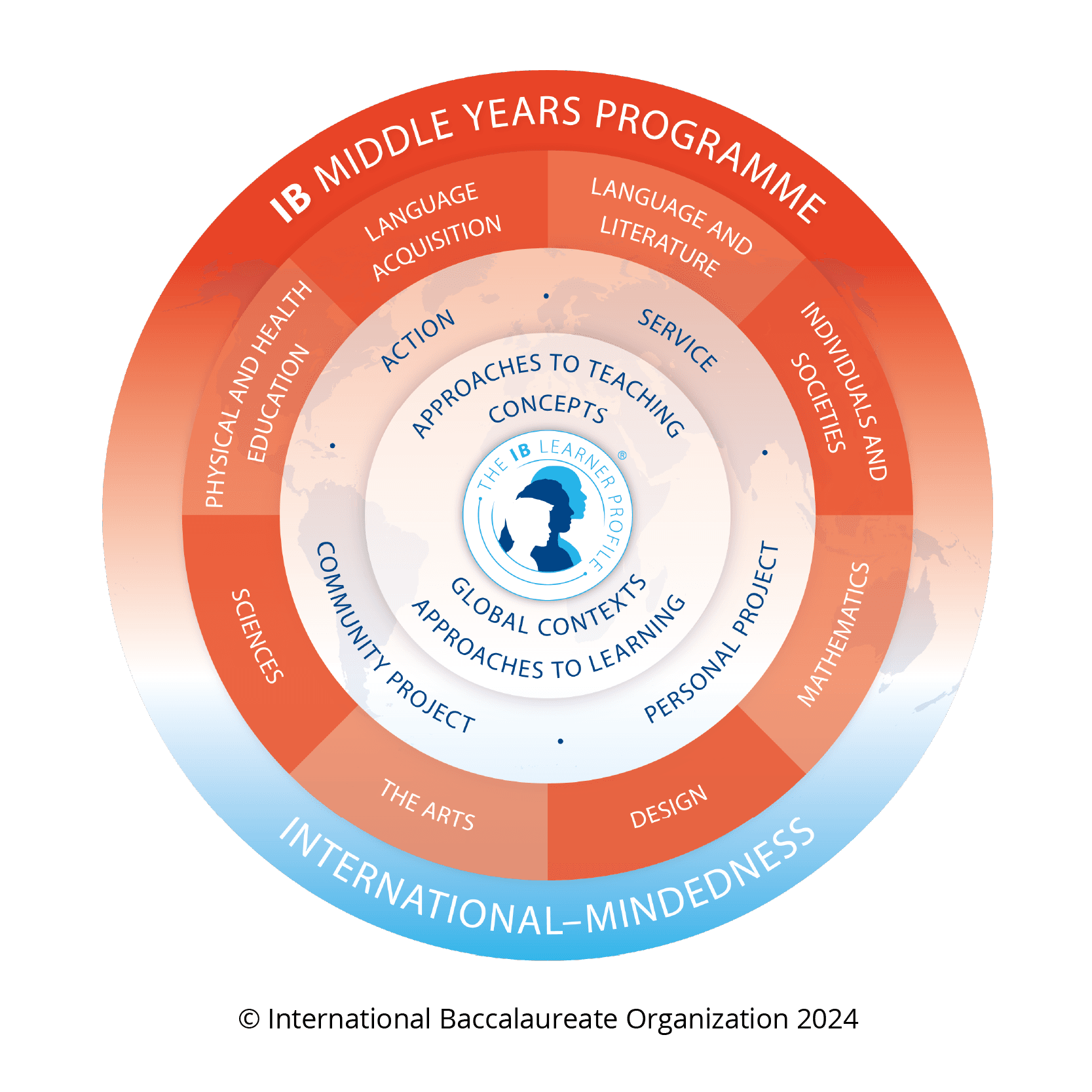
We structure our Middle Years Programme to emphasize our core values of global leadership, entrepreneurship, and innovation, problem solving, communication, and risk taking. Our programme includes eight subject groups—Language and Literature, Language Acquisition, Individuals and Societies, Sciences, Mathematics, Arts, Design, and Physical and Health Education—rooted in the IB Learner Profile and framed by six global contexts that connect learning to real-world issues. Students develop critical skills through Approaches to Learning, while criterion-based assessments evaluate their understanding across specific objectives. Key elements include interdisciplinary units, the Grade 9 Community Project, the Grade 10 Personal Project, and Service as Action, which encourage meaningful community engagement.
EVENT ANNOUNCEMENTS

Loading events...